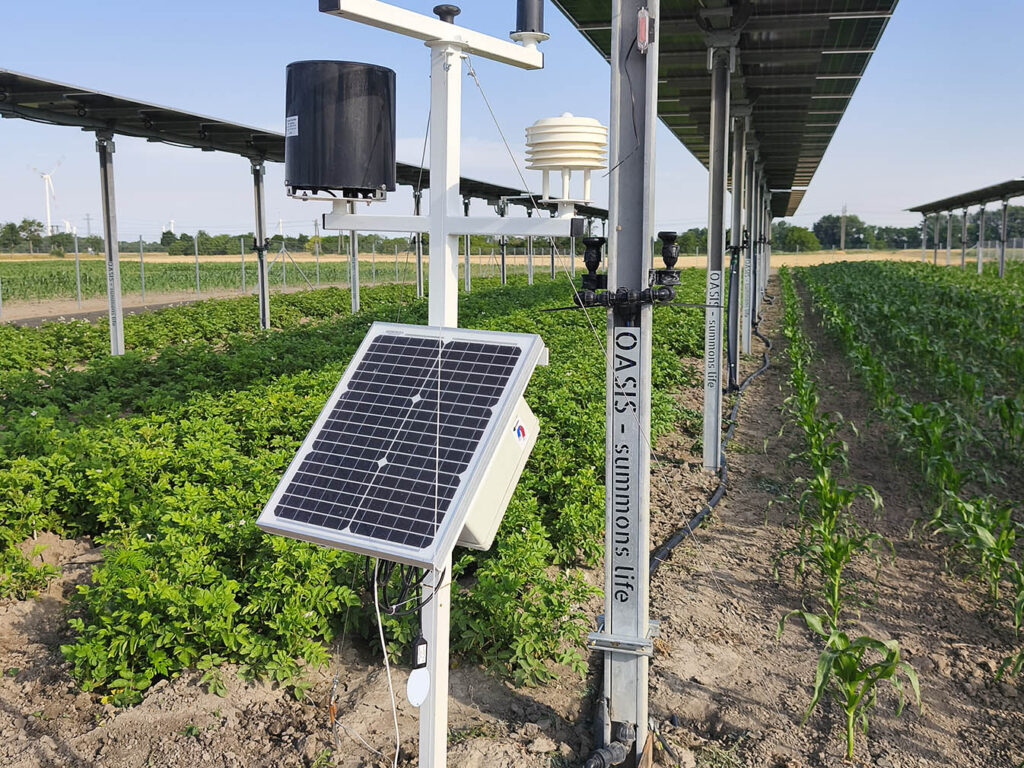
The impact of OASIS on maize yield
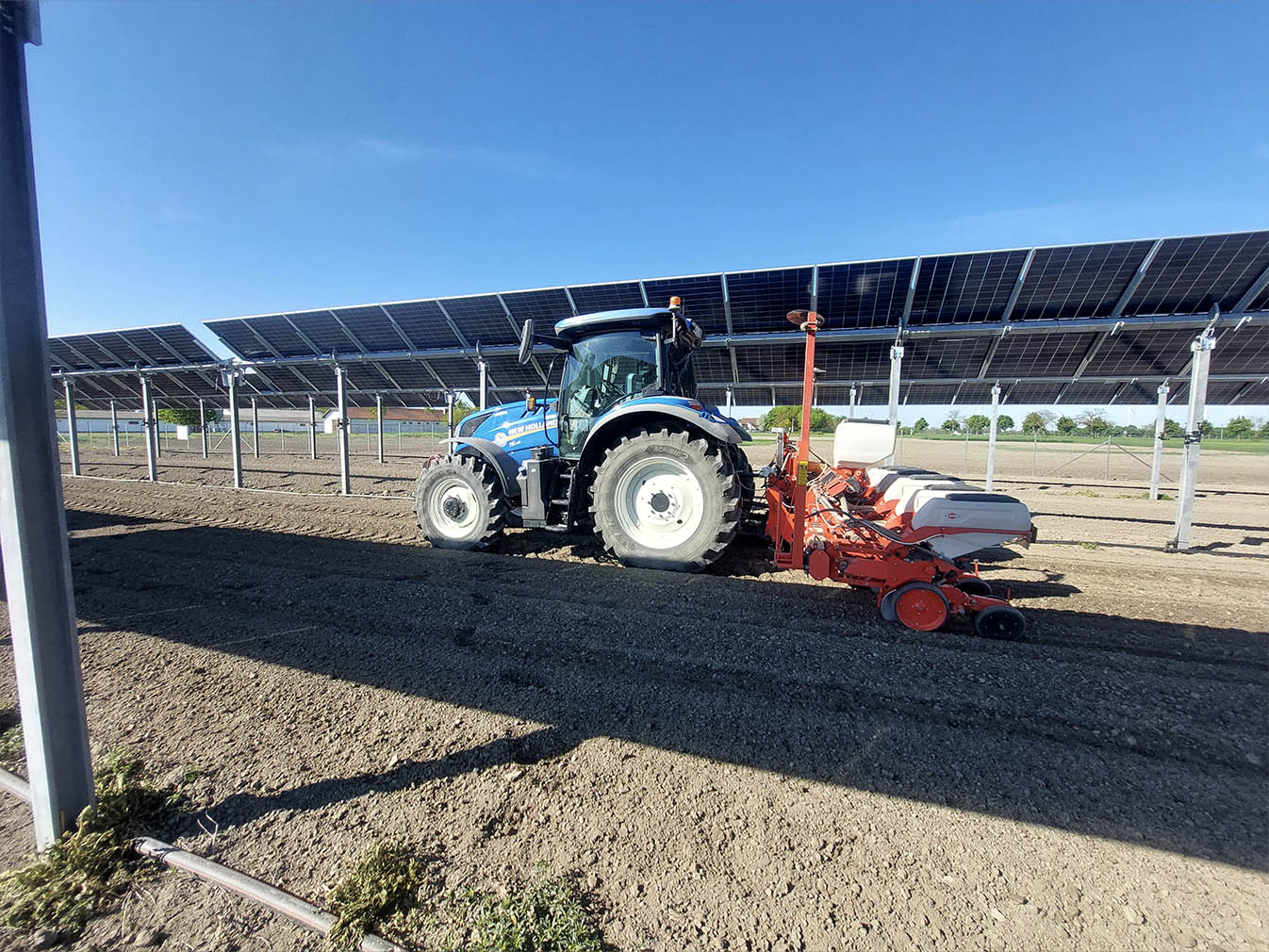
The sowing of maize, which took place in May 2026, is a significant step because the crop’s development can be closely monitored, making it suitable for providing data that can be used to evaluate the practical operation of the system. One of the main objectives of the OASIS prototype project is to demonstrate that renewable energy generation and modern agricultural production are not necessarily mutually exclusive, but can be complementary activities. The cultivation experiment carried out in 2026 will help generate sound evidence regarding the applicability of agrivoltaic systems in Hungary, particularly in terms of climate change, water management and sustainable land use.
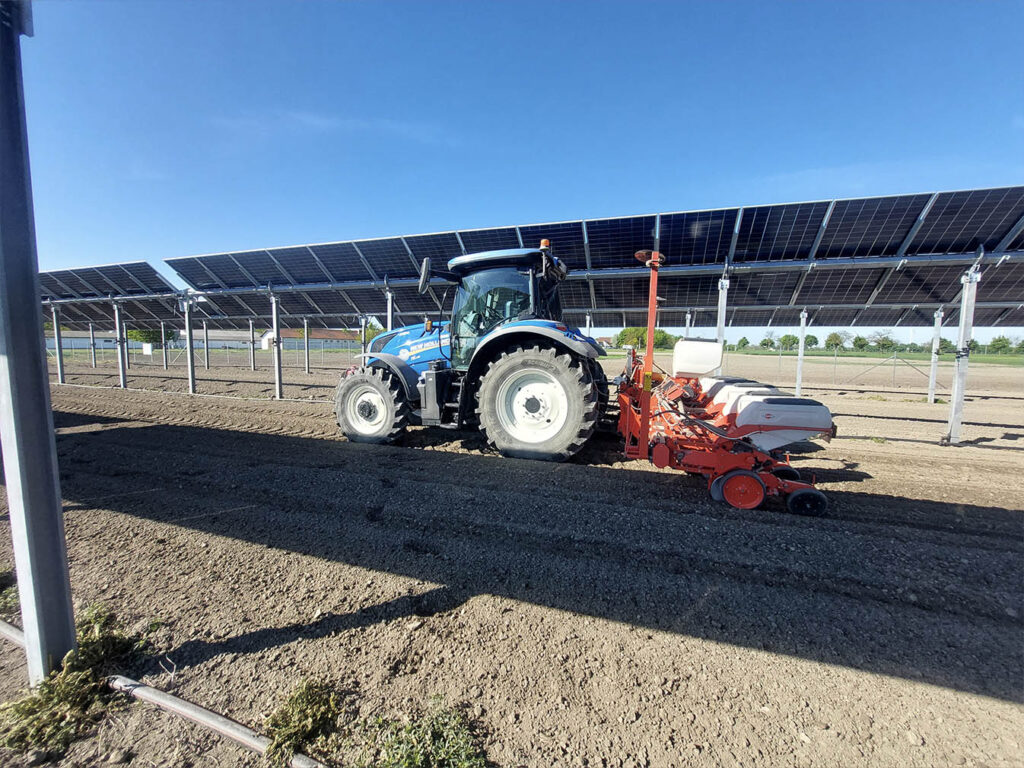
Let’s see what effect OASIS has on maize!
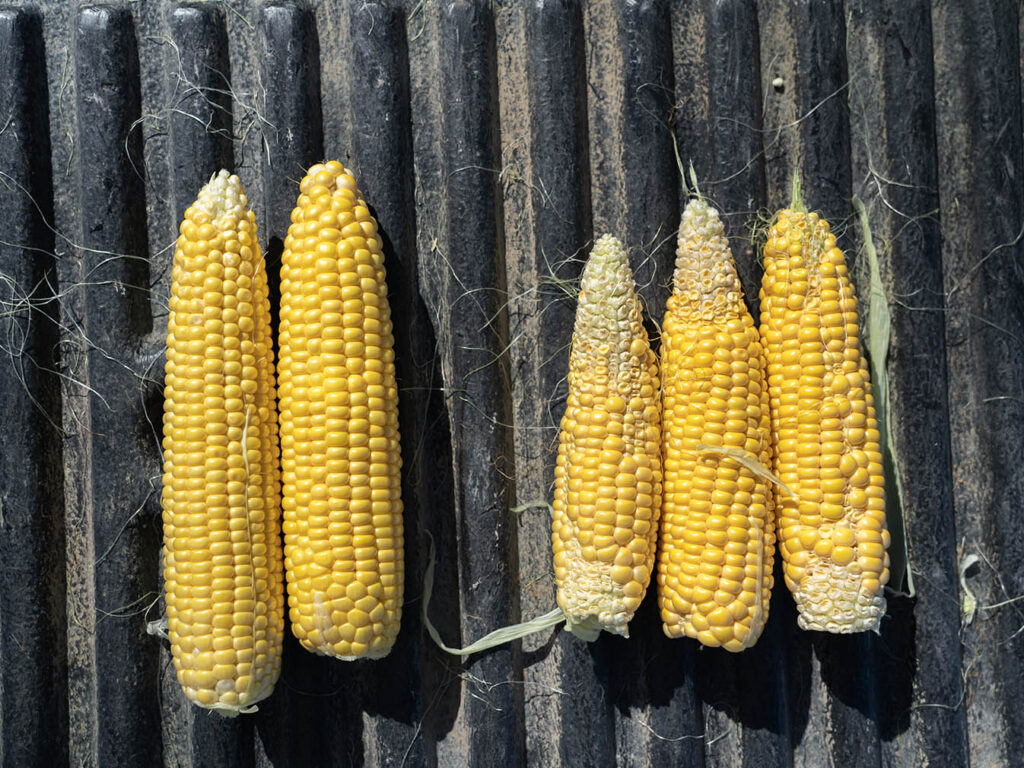
The difference is clearly visible. The ears collected from the untreated area are considerably smaller, with poor grain filling, and fertilization did not occur at the tips of the ears, resulting in a lack of kernel set. In contrast, the plants grown under OASIS are larger and significantly more developed.
The following video presents the harvesting experiment in greater detail:
In addition to the yield, the plant also grew much taller and produced a significantly higher yield – up to 8–10 times more.
What are the plans for next year?